Articles & Insights
ABRA BRIK Blog
Tips, guides and insights on charcoal, briquettes and coconut products.
30 articles
Guides
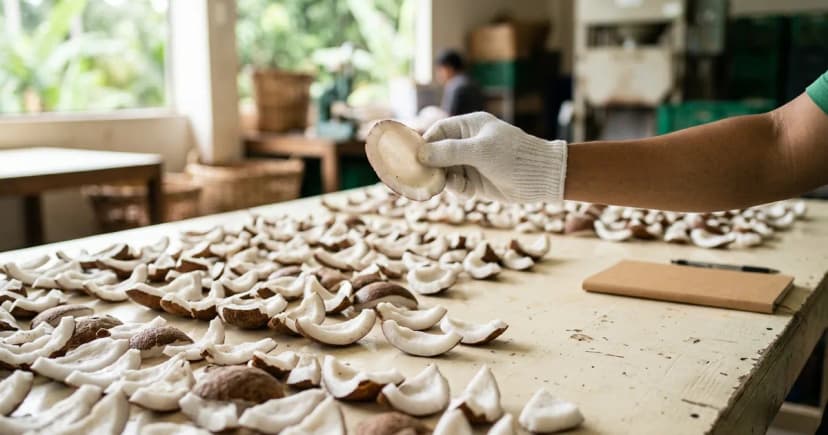
Edible Copra Quality Checklist for Buyers Before Contract
A practical checklist before you sign an edible copra contract: samples, spec sheet, smoky and mould limits, inspection and documents.
Industry
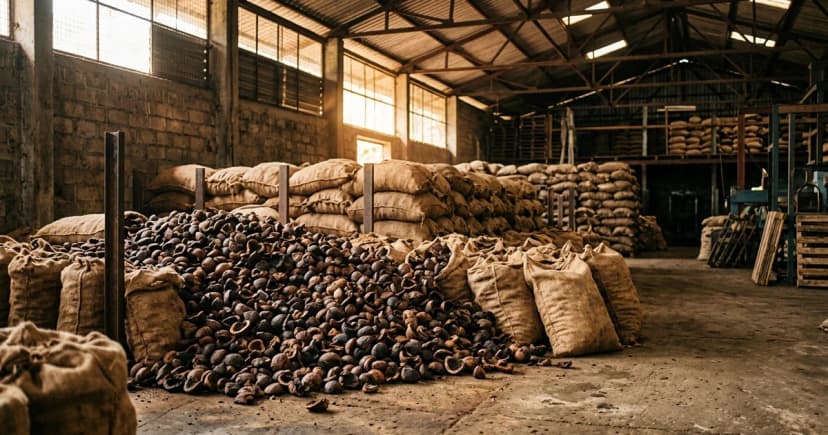
Smoked Copra for Coconut Oil Mills: A Buyer's Guide
Smoked copra is a cost-effective feedstock for coconut oil milling and refining. Here is what a mill should put in its purchase specification.

Guides
Coconut Vinegar Specifications for the Food Industry
What 4.0–5.0% acetic acid, pH 2.5–3.5, a clear appearance and a 24-month shelf life mean for coconut vinegar, plus questions to ask a supplier.
Guides
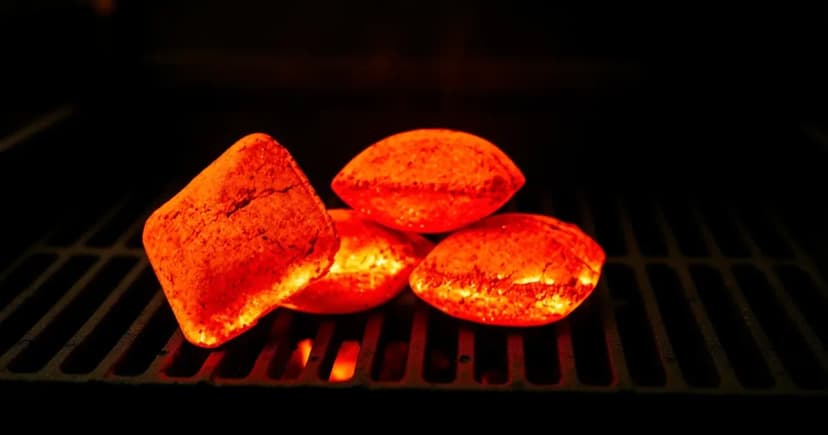
How to Use Pillow Briquettes for Grilling: A Practical Guide
Practical steps to light, arrange and set heat zones with pillow briquettes, plus storage tips and basic safety rules.

Guides
Choosing Coconut Bioleather for Fashion Products and Bags
How to choose a 0.5–2.0 mm thickness and finish of coconut bioleather for bags, covers and accessories, how to test cutting and stitching, and what to send for a sample.
Education
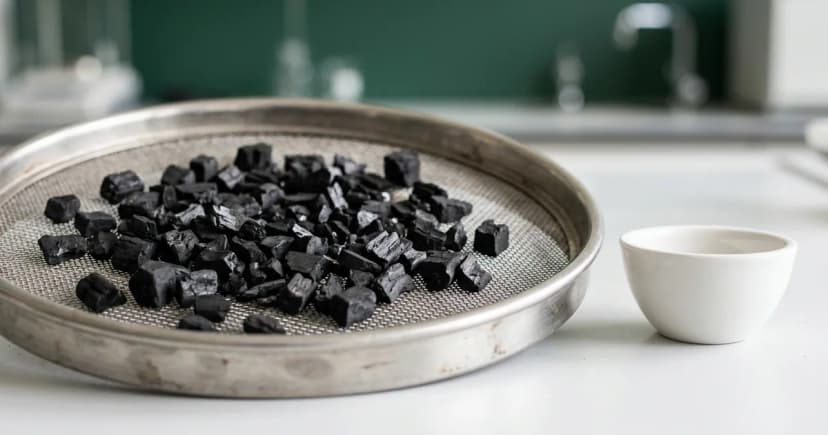
Granular Charcoal Specifications Explained, Line by Line
A plain-language guide to every line of a granular coconut charcoal spec sheet: ash, fixed carbon, volatile matter, moisture, sulfur and bulk density.
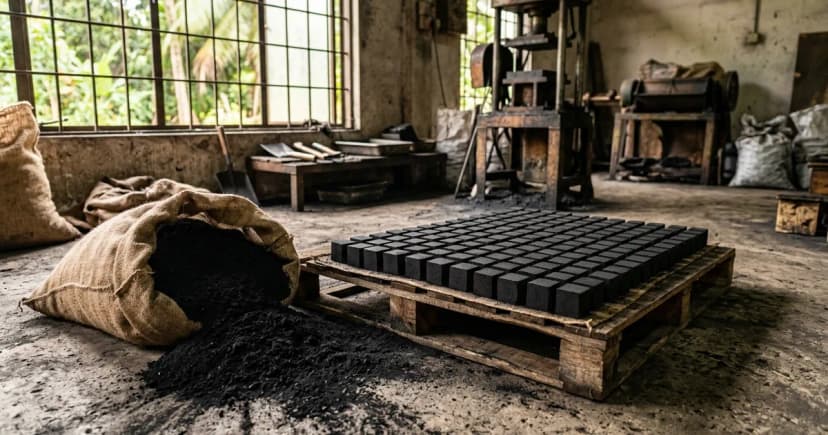
Industry
Choosing Charcoal Powder for Briquette Making: Buyer's Guide
A buyer's guide for briquette makers: which spec figures to check, how to choose a mesh size, sampling before contract and which documents to request.
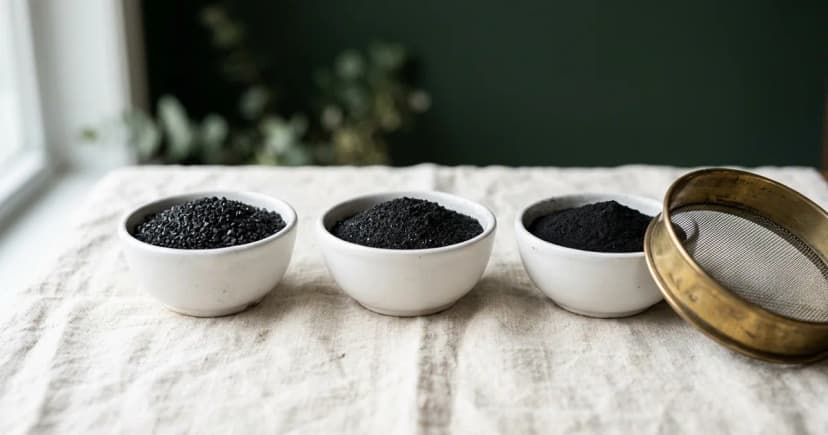
Education
Coconut Charcoal Powder Mesh Sizes: What 40 to 200 Mean
What mesh numbers mean for coconut charcoal powder, how fine and coarse powders differ, and how to choose between 40 and 200 mesh.
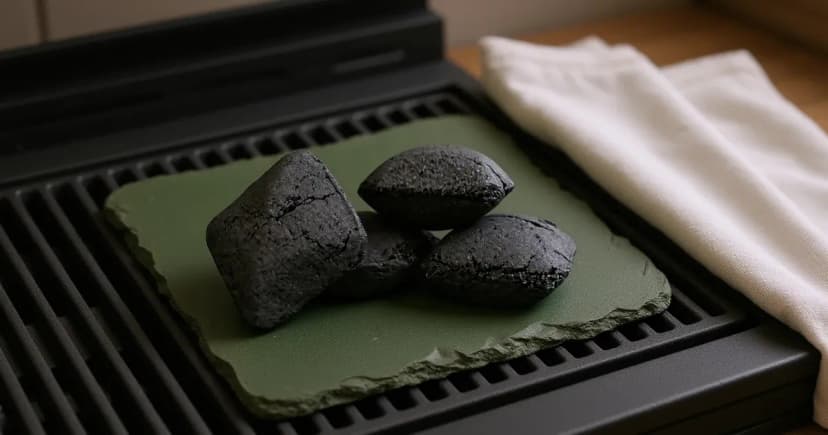
Education
What Is a Pillow Briquette? Size, Specs and Common Uses
A pillow briquette is a cushion-shaped coconut shell briquette measuring 50 × 50 × 38 mm. Learn its shape, specs, grades and who uses it.
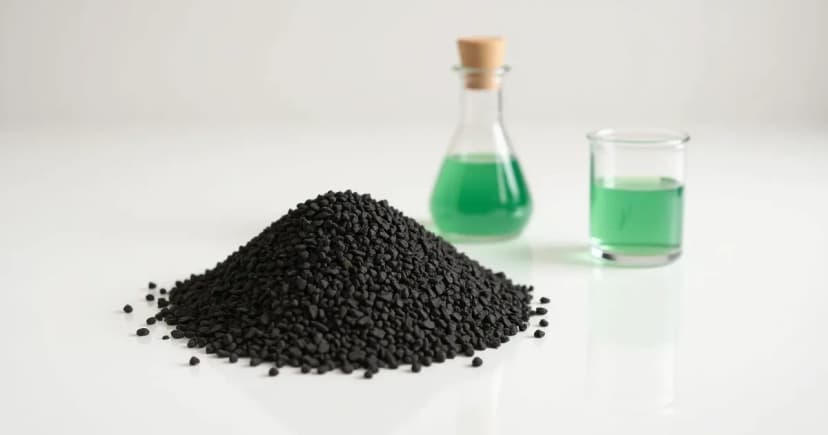
Industry
Granular Coconut Charcoal as Activated Carbon Feedstock
What granular coconut-shell charcoal is, why activated carbon makers use it, and how to choose among its five size ranges.
Education
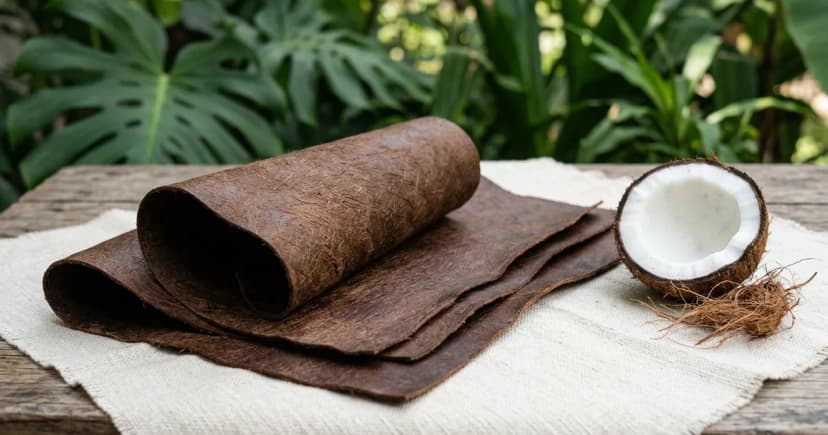
What Is Coconut Bioleather? A Plant-Based Sheet Material
Coconut bioleather is a light, flexible, coconut-based sheet with a natural organic grain, used for accessories, covers, bags and fashion goods.
Education
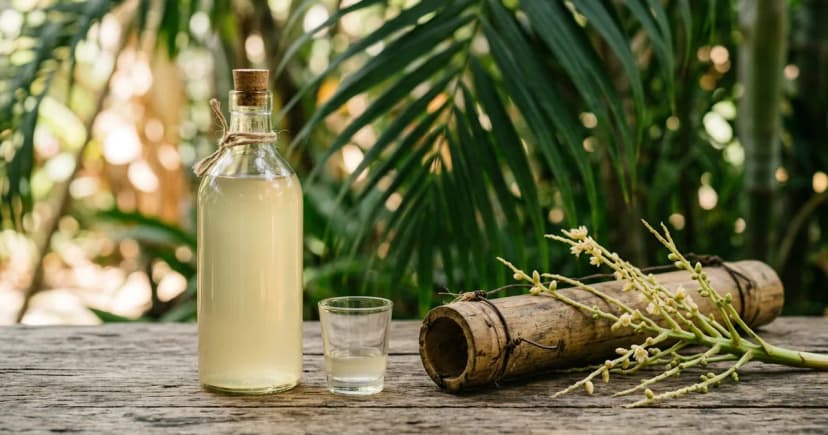
What Is Coconut Sap Vinegar? Taste, Process and Uses
Coconut sap vinegar is naturally fermented from coconut sap and has a clean, mild sour taste. Learn how it is made, how it tastes and how it is used.
Education
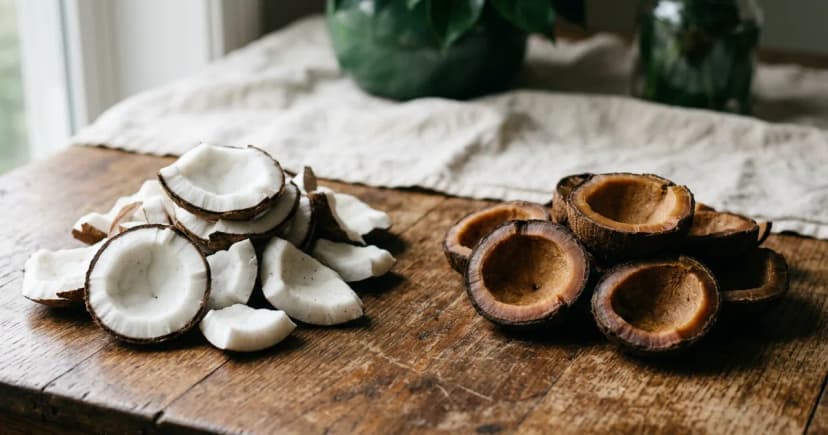
Smoked Copra vs Edible Copra: Key Differences for Buyers
Smoked copra and edible copra both feed coconut oil production, but drying method, colour, FFA, grade and use differ. Here is the comparison.
Education
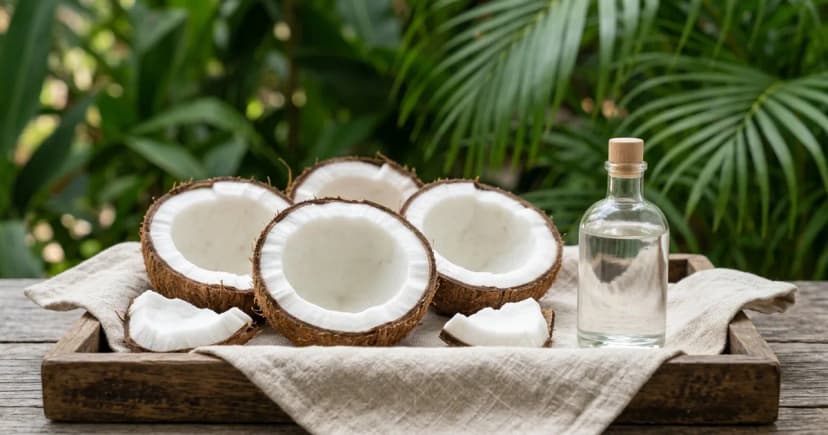
Edible Copra: What Moisture, Oil Content and FFA Mean
Edible copra is food-grade dried coconut meat for edible coconut oil. Learn what moisture, oil content and FFA tell you before you buy.

Guides
BBQ Briquettes vs Lumpwood Charcoal: Which Should You Burn?
This is not about which is better. It is about which suits how you cook. Here is the honest comparison.

Education
Is Coconut Charcoal Safe? What Actually Decides It
The answer is not yes or no. What decides it is not the feedstock but how it was made and how it is used.

Education
What Is Charcoal Briquette Used For? 9 Real Applications
Most people meet charcoal briquettes at a grill. The grill is only one of its uses.

Profil
A Charcoal Factory in Bogor: From Coconut Shell to Export-Ready Briquette
Carbonisation is easy to describe and hard to control. Here is what actually happens, stage by stage, on our line in Ciomas, Bogor.

Export
Coconut Shell Charcoal HS Code and Export Paperwork
A wrong tariff heading does not surface at order time. It surfaces when the container is held at destination. Here is the basis for classification.

Export
Shisha Charcoal Manufacturers in Indonesia: What Buyers Actually Check
The shisha market rejects shipments over things the BBQ market would accept. Here is what importers really check before they reorder.

Guides
Charcoal Briquette Supplier Indonesia: How to Vet One Before You Order
Most buyer disappointment is not fraud. It is ordering from a broker who believed they were a factory. Here is how to tell the difference.

Guides
Shisha vs BBQ Charcoal Briquettes: Shape, Ash and Burn Time
Both are coconut shell briquettes, but they are engineered for different jobs. Here is what actually separates them when you place an order.

Export
Charcoal Export Documents for Middle East Buyers
Which documents accompany a charcoal shipment to the Gulf, what each one is for, and why your customs broker at the destination is the only authority worth trusting on the details.
Guides
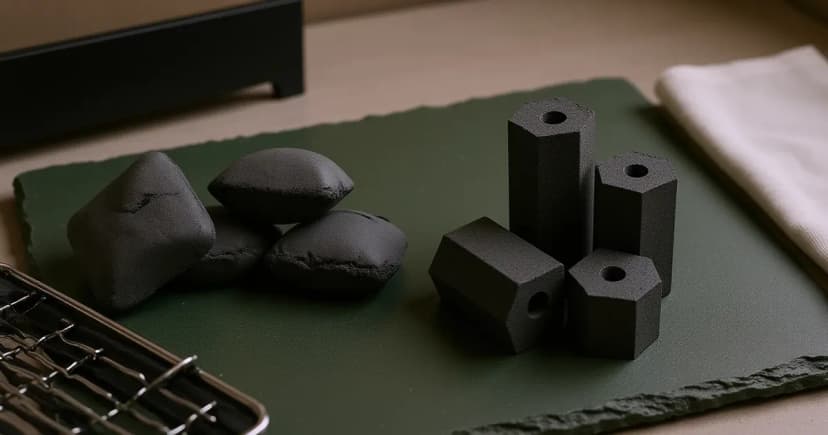
Hexagonal vs Pillow BBQ Briquettes: Which One to Choose?
Hexagonal and pillow BBQ briquettes share the same lab figures. The real difference is shape, size and how each one works in your kitchen.

Education
Using Biochar in Organic Farming: A Practical Guide
Rates, charging methods, timing and the first-season mistake that makes growers conclude biochar does not work — a field guide rather than a theory piece.

Export
Importing Coconut Charcoal from Indonesia: A Buyer's Walkthrough
The sequence that separates a smooth first container from an expensive lesson — specification, sample, agreement, inspection — and what goes wrong when a step is skipped.

Agriculture
What Biochar Actually Does to Soil
Biochar is not a fertiliser. It changes the physical structure of soil — water retention, nutrient holding, microbial habitat — and that distinction decides whether it works for you.

Tips
Choosing BBQ Charcoal Briquettes for Restaurants and Grill Houses
A restaurant does not need the hottest charcoal. It needs charcoal that behaves identically every single service — and that is a different purchasing decision.

Industry
Why Indonesia Leads the World in Coconut Shell Charcoal
Indonesia is the world's largest exporter of coconut shell charcoal. The reasons are structural — raw material, climate and decades of accumulated process knowledge.

Education
Coconut Charcoal Grade A vs Grade C: Reading the Numbers
Grade is not a marketing word. It is three measurements — fixed carbon, ash and moisture — and knowing what they do to a burn tells you which grade your product actually needs.