What Is Coconut Sap Vinegar? Taste, Process and Uses
Coconut sap vinegar is naturally fermented from coconut sap and has a clean, mild sour taste. Learn how it is made, how it tastes and how it is used.
by ABRA BRIK Team
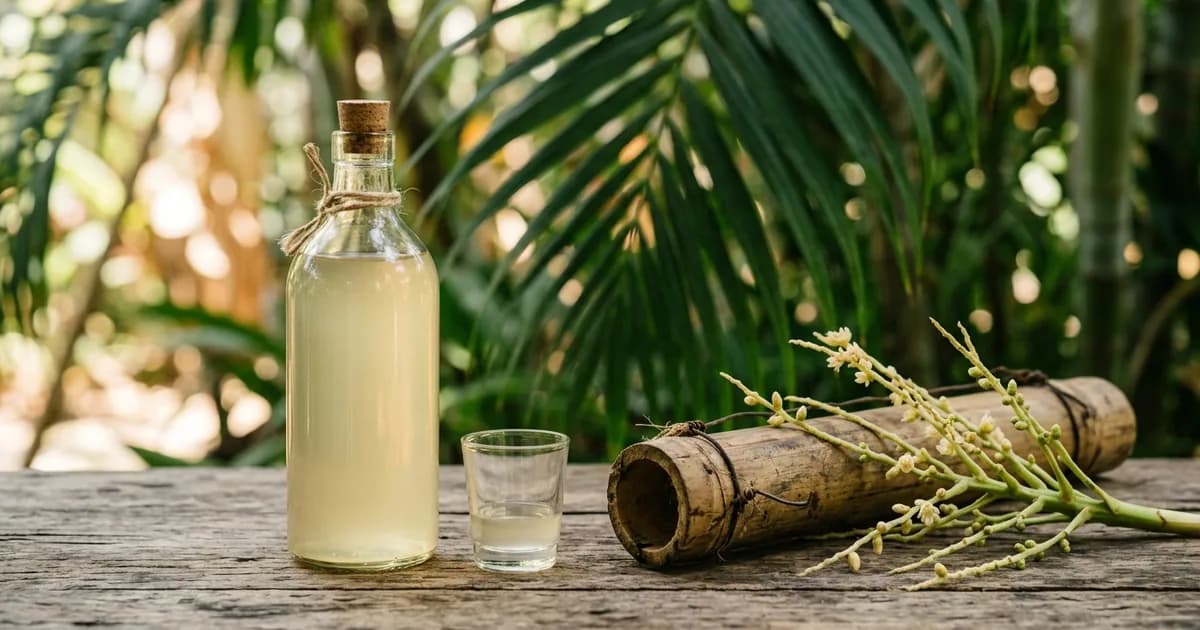
Coconut sap vinegar is vinegar made by naturally fermenting coconut sap, the sweet liquid tapped from the flower of the coconut palm. The result is a clear liquid with a clean, mild sour taste. Food, beverage and seasoning manufacturers use it as a natural source of acidity.
This article explains what coconut sap is, how it becomes vinegar, how it tastes and where it is used. The specification shown comes from the Kora Coconut catalogue. ABRA BRIK is a brand within Kora Coconut (PT Kora Prima Abadi), and coconut vinegar is supplied through the Kora Coconut catalogue.
What is coconut sap?
Coconut sap is the sweet liquid that flows from the flower stalk of the coconut palm when it is tapped. In many parts of Indonesia it has long been used to make coconut sugar.
Sap is not the same as coconut water. Coconut water is the liquid inside the fruit; sap comes from the flower. Some vinegars are made from coconut water, but the coconut vinegar in the Kora Coconut catalogue is made from 100% coconut sap.
How does sap become vinegar?
In general, fermented vinegar is made in two natural stages:
- Alcoholic fermentation. Yeast turns the sugar in the sap into alcohol.
- Acetic fermentation. Acetic acid bacteria turn that alcohol into acetic acid, which gives vinegar its sour taste.
This is called natural fermentation because the acidity forms from the raw material itself. That differs from some vinegars on the market, which are made by diluting acetic acid with water. Fermentation time and handling vary between producers; what matters to a buyer is a consistent result, especially acidity.
Reference specification for coconut vinegar
| Parameter | Reference specification |
|---|---|
| Acetic acid | 4.0–5.0% |
| Appearance | Clear liquid |
| pH | 2.5–3.5 |
| Taste | Mild sour |
| Shelf life | 24 months |
| Raw material | 100% coconut sap |
According to the catalogue, this coconut vinegar is naturally fermented, contains no artificial colouring, has a consistent acidity level and is food grade. Specifications may vary with project requirements, raw material availability and production method. Samples are recommended for evaluation before commercial orders.
What does coconut vinegar taste like?
The catalogue describes the taste as a clean, mild sour. With 4.0–5.0% acetic acid, the sourness is clear without being harsh. For food products, a clean sour note lets you blend vinegar with other ingredients without masking the main flavour, and its clear appearance does not noticeably change the colour of a sauce or drink.
Where is coconut vinegar used?
The Kora Coconut catalogue lists coconut vinegar for food, beverage and seasoning manufacturers. Common applications include:
- Seasonings and sauces, as a source of acidity in sauces, chilli sauces and ready-made seasonings.
- Pickles, giving a sour taste to vegetables or fruit preserved in vinegar.
- Dressings and marinades for salads, meat or fish.
- Beverages that use vinegar as a flavour ingredient.
- Restaurant and home cooking where a vinegar from a natural raw material is preferred.
Each application may need a different acidity, so test the vinegar in your own formula before large-scale production.
Why do food manufacturers choose it?
- Clear raw material: made from 100% coconut sap.
- No artificial colouring: suits brands that want a simple ingredient list.
- Consistent acidity: 4.0–5.0% acetic acid helps keep product taste the same from batch to batch.
- Long shelf life: 24 months makes stock planning easier.
To understand each specification figure and what to ask a supplier, read our article on coconut vinegar specifications for the food industry.
Frequently asked questions
How is coconut sap vinegar different from coconut water vinegar?
Sap is tapped from the coconut flower, while coconut water comes from inside the fruit. The coconut vinegar in the Kora Coconut catalogue is made from 100% coconut sap, not coconut water.
How acidic is coconut vinegar?
The Kora Coconut catalogue reference is 4.0–5.0% acetic acid with a pH of 2.5–3.5.
What is its shelf life?
According to the catalogue, 24 months. Store it in a closed container in a cool place away from direct sunlight.
Does it contain colouring?
No. The catalogue states it has no artificial colouring and is a clear liquid.
Does ABRA produce coconut vinegar?
Not at its Bogor factory. ABRA BRIK is a brand within Kora Coconut, and coconut vinegar is supplied through the Kora Coconut catalogue.
Request a specification or sample
See the product details on the coconut vinegar page. For a written specification, a sample or a quotation based on volume and contract duration, contact us on WhatsApp or through the contact page.
Interested in our products?
Chat with us on WhatsApp for pricing, samples, and availability.
Chat via WhatsApp